Introduction
ERP implementation in construction is where dreams go to die—or thrive. Most contractors who implement ERP systems end up frustrated. Why? They underestimate what it takes to succeed. This isn't just about software; it's about rethinking how your business operates. From our experience with 200+ implementations, these seven best practices can make the difference between failure and success.
1. Start With a Real Problem, Not "Digital Transformation"
Too many contractors rush into ERP because "everyone else is doing it." That's a terrible reason. Start by identifying the biggest pain point in your operations. Is it margin erosion because you can't track project costs? Is it procurement chaos? Is payroll a mess across multiple sites? If you don’t start with a clear problem to solve, your ERP will become a glorified spreadsheet.
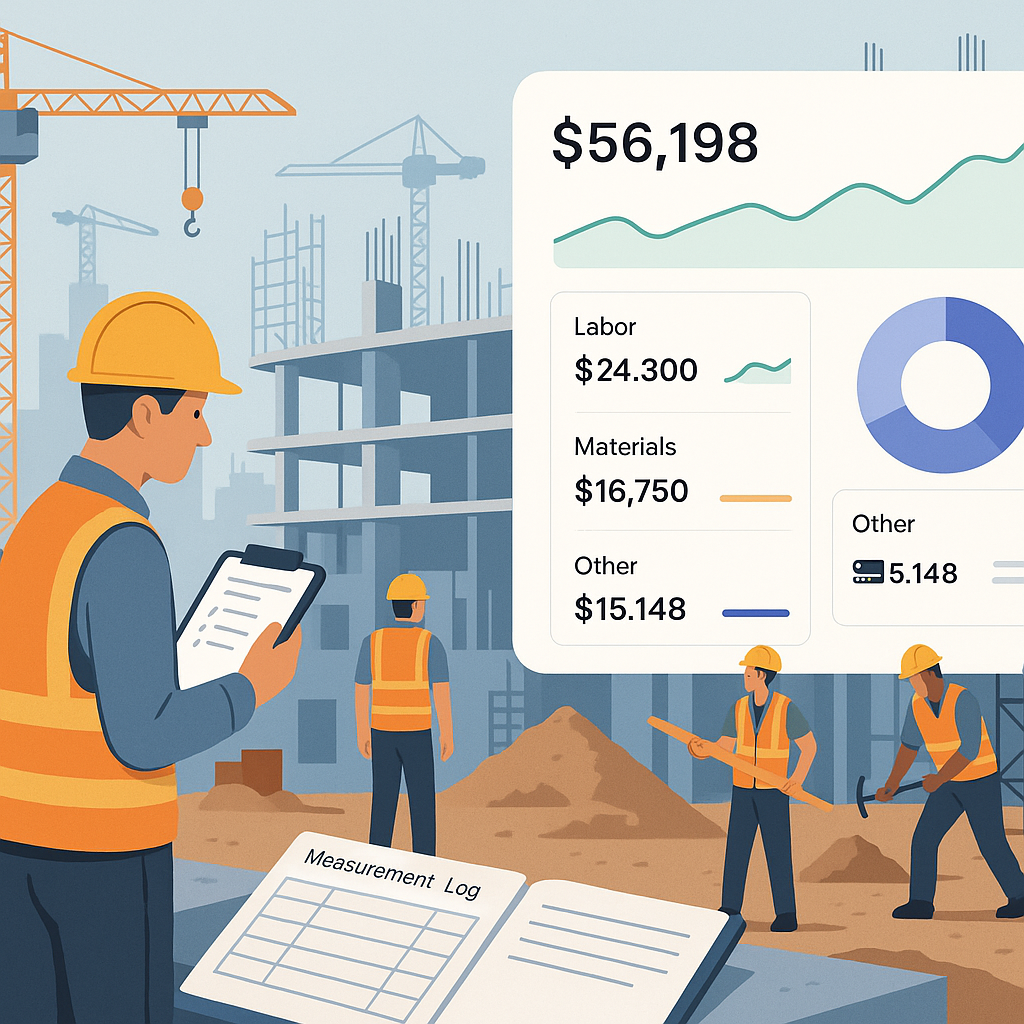
For example, contractors lose up to 20% of margins due to poor cost tracking (JobNext.ai). Fixing this requires more than software—you need workflows that track costs in real time across BOQs, scopes, and estimates. JobNext's project profitability monitoring is a great example of solving this specific issue.
2. Map Your Existing Workflows Before Touching Software
Here’s a mistake we see all the time: contractors dive into ERP configuration before understanding their own processes. Don’t. First, map out your current workflows on paper. How does an RFQ move from procurement to approval? How are subcontractor payments tracked? Where do delays or errors occur?
Once you've mapped this, identify gaps and inefficiencies. Only then should you configure the ERP to match your actual operations. Skipping this step is why most ERP systems end up underutilized.
3. Standardize Data Before Migration
Garbage in, garbage out. If your existing data is a mess, your ERP will be too. Before migrating data, clean it up. Standardize naming conventions for vendors, materials, and cost codes. If one team calls it "Ready Mix Concrete" and another calls it "RMC," your analytics will be useless.
One client we worked with had 17 different names for the same material. Standardizing this before migrating to JobNext saved them months of headaches during implementation. A good ERP won’t fix bad data—it’ll just expose it.
4. Train Your Teams, Not Just Your IT Department
ERP success depends on adoption, not just installation. Yet most contractors invest heavily in IT training while ignoring the end users. Big mistake. Foremen, site engineers, and procurement managers need to know how the system works for their specific tasks.
We recommend role-based training sessions. For example:
- Procurement teams focus on MR → RFQ → PO workflows.
- Site engineers learn subcontractor measurement tracking.
- Finance teams master RA Bill generation and reconciliation.
ERP should feel like a tool, not a burden. The more comfortable your teams are, the smoother the rollout.
5. Use Approval Workflows to Prevent Chaos
One of the biggest benefits of ERP is control. But it only works if you set up approval workflows. For example, in JobNext, you can configure multi-level approvals for procurement. This ensures no PO gets issued without proper checks—preventing duplicate orders, inflated costs, or unauthorized spending.
During one implementation, a contractor saved ₹12 lakhs in six months simply by enforcing a three-level approval chain for their RFQ and PO processes.
6. Monitor Metrics That Actually Matter
Once your ERP is live, the real work begins: monitoring and improving. But don’t drown in dashboards. Focus on a few key metrics that drive profitability. For example:
- Material variance: Are actual material costs exceeding estimates?
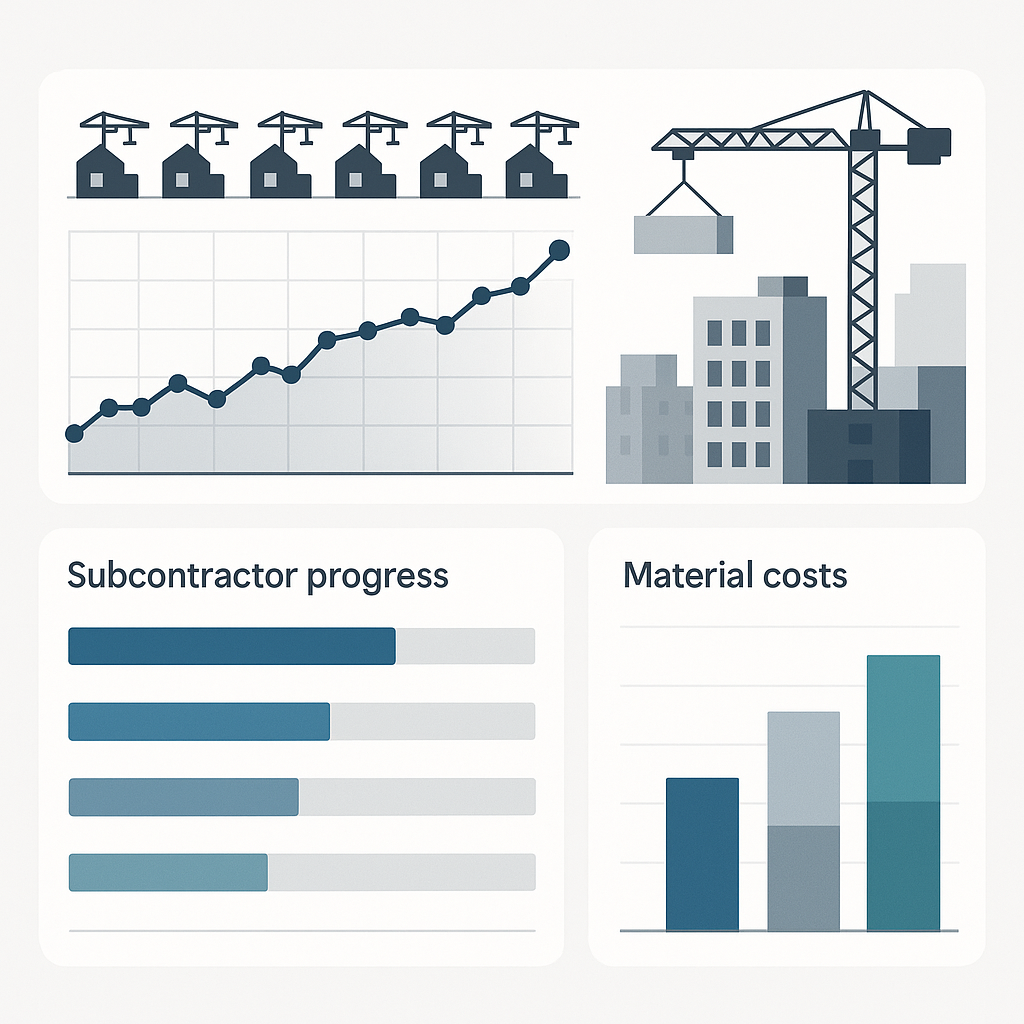
- Subcontractor productivity: Are work measurements aligning with payments?
- Project profitability: Are you tracking margins in real time, not months later?
JobNext offers over 150 pre-built reports, but the real value comes from identifying the 5-10 reports your team will review weekly. Start simple, then expand.
7. Avoid "One-Time" Deployments
ERP isn't a one-and-done project. Your business will evolve, and so should your ERP. Schedule quarterly reviews to assess what’s working, what’s not, and what needs to change. Treat this as a continuous process, not a one-time headache.
For example, one contractor we worked with added new reporting requirements six months post-deployment to track GST compliance more effectively. Because they treated ERP as a living system, they avoided penalties and streamlined their accounting workflows.
Conclusion
ERP implementation isn’t easy, but it doesn’t have to fail. By starting with a clear problem, mapping workflows, cleaning data, training teams, enforcing approvals, monitoring key metrics, and treating ERP as a continuous process, you can avoid the pitfalls most contractors face.
Need proof? Check out this example of how real-time project profitability tracking helped contractors grow faster: Why Contractors Using Cloud ERP Grow Faster: A Hard Truth About Margins. If you’re serious about implementation, take these lessons to heart—and put them into action.
Ready to see JobNext in action?
Multi-tenant SaaS ERP for construction, facilities management, and contracting — covering preconstruction, project execution, procurement, HR & payroll, equipment, finance, and 150+ analytics reports.
Get Started Free →Learn more at JobNext.ai - Construction ERP