The Hidden Cost of Manual Billing in Construction
Billing in construction isn’t straightforward. RA (Running Account) bills, measurement-based progress tracking, supply BOQs, and subcontractor payments all create complexity. If you’re still relying on spreadsheets or disconnected systems, you’re probably losing money — and not just a little.
Here’s a stat that should make you pause: contractors lose up to ₹50 lakh annually due to manual billing errors and missed invoices. That’s brutal, especially when margins are already razor-thin. But the real kicker? Most contractors don’t even realize it’s happening.
Measurement-Based Billing: Where It All Falls Apart
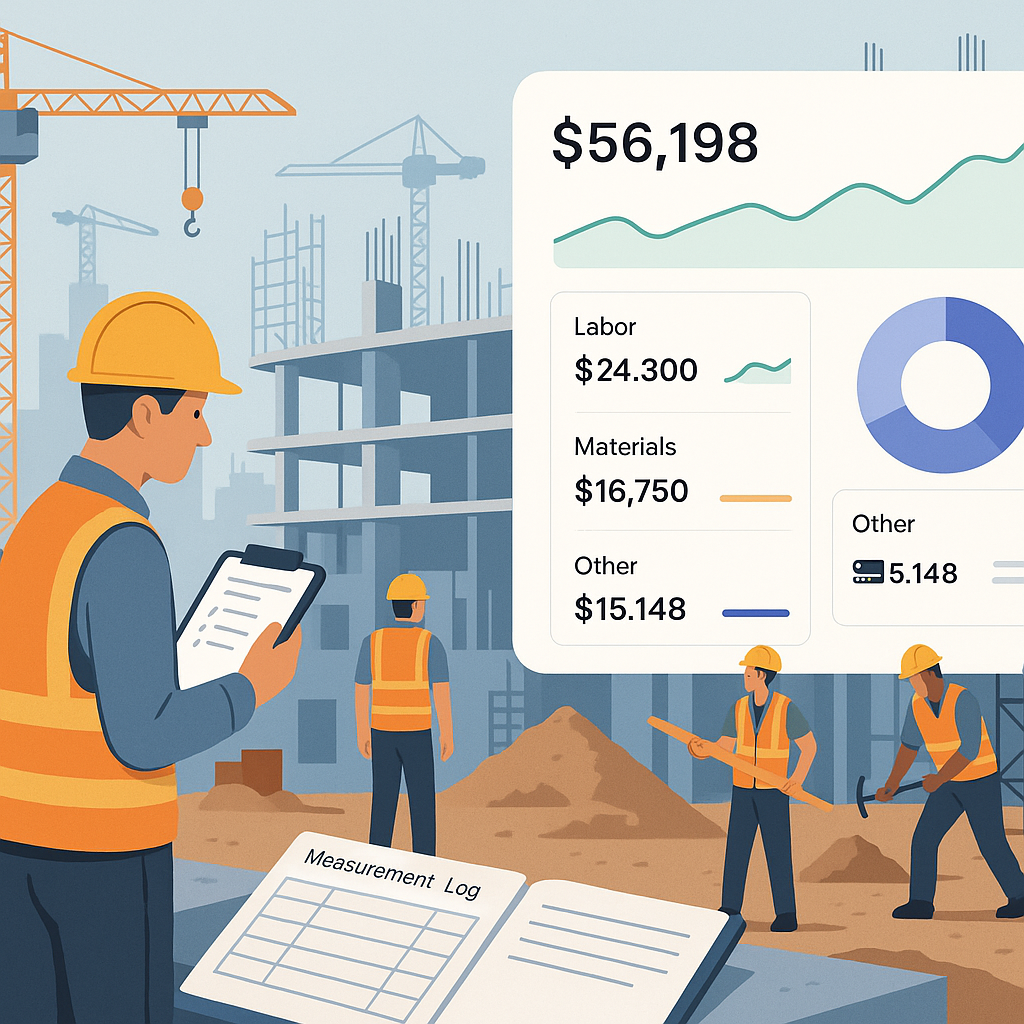
Measurement-based billing is a common pain point. Let’s say you’re tracking progress on a subcontractor’s work. Measurements need to be taken, verified, and converted into payment terms based on the work order. Sounds simple? It rarely is.
What typically happens:
- Field engineers measure progress but fail to update the central system promptly.
- Invoices don’t match the actual progress, leading to overpayment or underpayment.
- Payment approvals get stuck in endless email threads.
- Deadlines for client billing are missed, causing cash flow gaps.
And the worst part? Without real-time visibility, you won’t catch these issues until they’ve snowballed into costly disputes.
ERP to the Rescue: Structured Billing Workflows
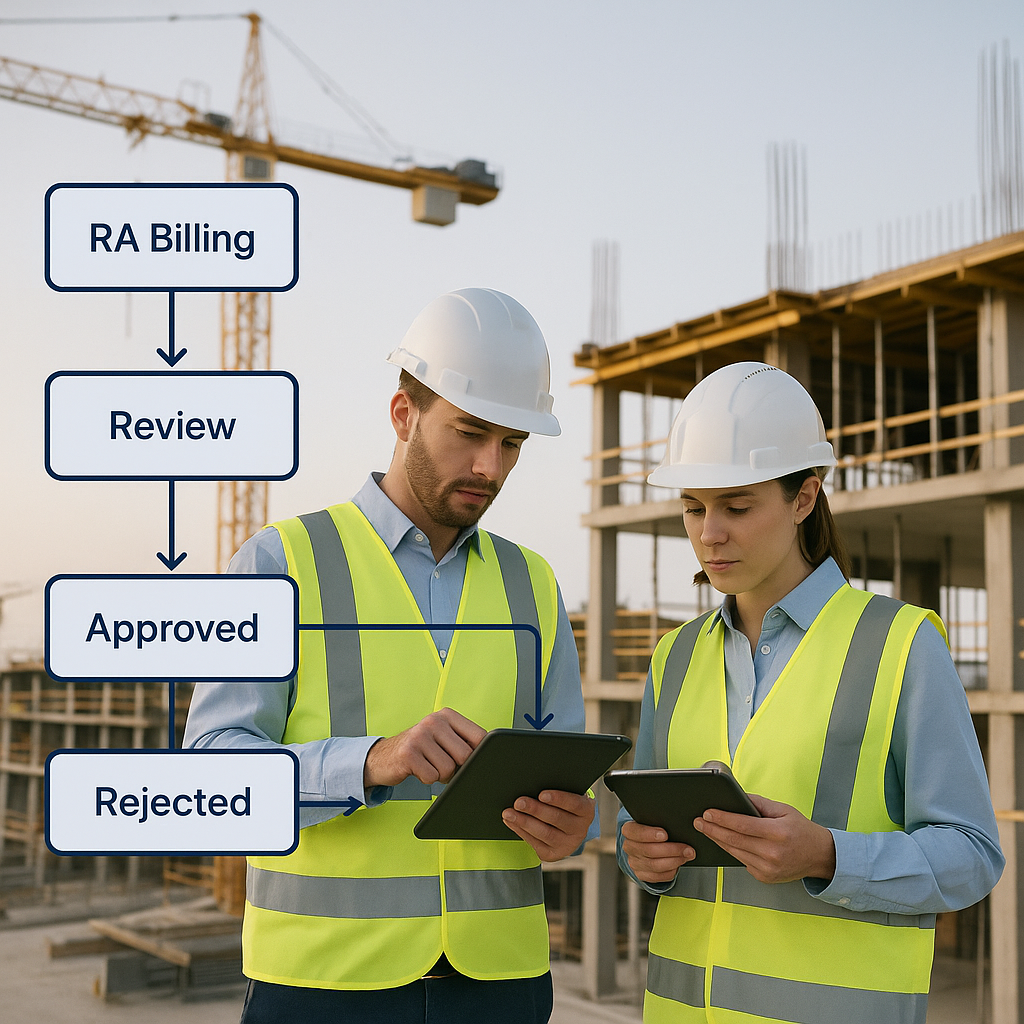
This is where an ERP like JobNext can make a real difference. Instead of juggling spreadsheets and WhatsApp updates, a structured workflow ensures every step — from measurement entry to payment approval — is tracked and controlled.
Here’s how it works:
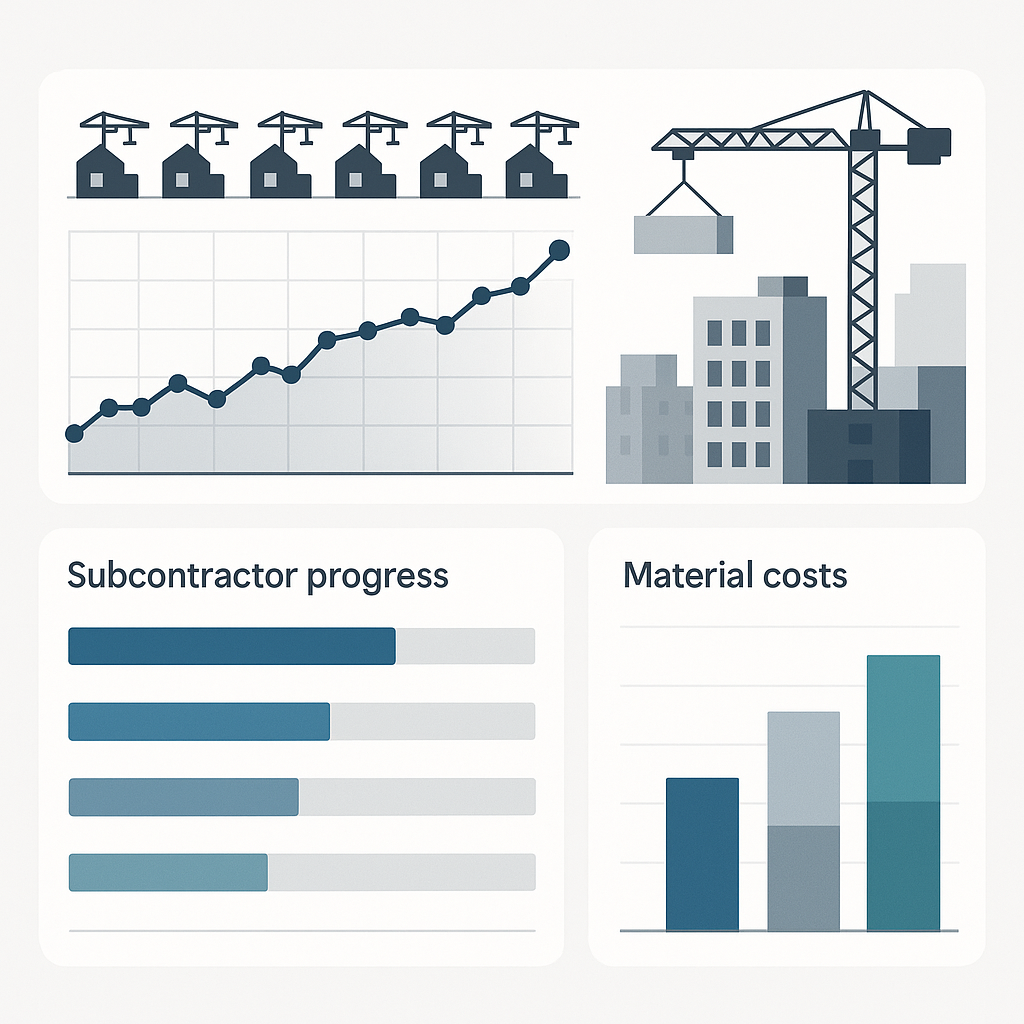
- Centralized Progress Tracking: Field engineers input measurements directly into the ERP. No more disconnected systems.
- Automated Payment Calculations: The ERP calculates payments based on predefined rules in the work order. No manual math.
- Approval Chains: Multi-level approval workflows prevent unauthorized payments.
- Client Billing Integration: Generate RA bills or supply BOQ invoices directly from the same data.
This isn’t just theory. Contractors using JobNext report saving up to ₹50 lakh annually by avoiding billing errors and disputes. Read more →.
Best Practices for ERP Implementation in Measurement-Based Billing
Let’s be real: ERP implementation can be messy if you don’t plan it properly. Here’s what we’ve learned from over 200 deployments:
-
Map Your Billing Workflows First Don’t start configuring an ERP until you’ve mapped out your current measurement-to-payment process. Where are the bottlenecks? Who approves payments? What data gets lost?
-
Standardize Work Orders Define consistent rules for measurement-based payments. For example, set rates per unit of work upfront. This makes ERP configuration easier.
-
Train Field Teams Your ERP is only as good as the data entered. Train engineers to input measurements correctly and on time.
-
Test Real Scenarios Before going live, test the ERP with real project scenarios. Can it handle partial progress? What happens if measurements are disputed?
-
Integrate Client Billing If your ERP doesn’t integrate measurement data with client invoices, it’s not doing its job. This is non-negotiable.
The Bottom Line
Billing errors don’t just hurt your margins; they damage client relationships and subcontractor trust. An ERP with structured measurement-based workflows can fix these problems — but only if implemented correctly.
If you’re struggling with billing chaos, JobNext is worth a look. It’s built specifically for contractors, with workflows designed to handle RA bills, measurement-based tracking, and more. See how JobNext works →.
FAQ
Q: How long does ERP implementation take for billing workflows?
A: For most contractors, it takes 3-6 months, depending on the complexity of your existing processes.
Q: What happens if measurements are disputed?
A: Disputed measurements can be flagged in the ERP for resolution before generating invoices or payments.
Q: Can ERP handle multi-project billing?
A: Yes, solutions like JobNext are designed to track and bill across multiple concurrent projects.
Q: Does ERP integrate with Tally?
A: JobNext includes Tally integration for GST/TDS compliance and statutory reporting.
Q: What’s the ROI on ERP for billing?
A: Contractors using JobNext report saving up to ₹50 lakh annually by fixing billing errors and disputes.
Call to Action
If manual billing is costing you lakhs, it’s time to fix it. JobNext’s ERP is built for contractors who need real-time visibility and error-free workflows. Get started free →.
Learn more at JobNext.ai - Construction ERP