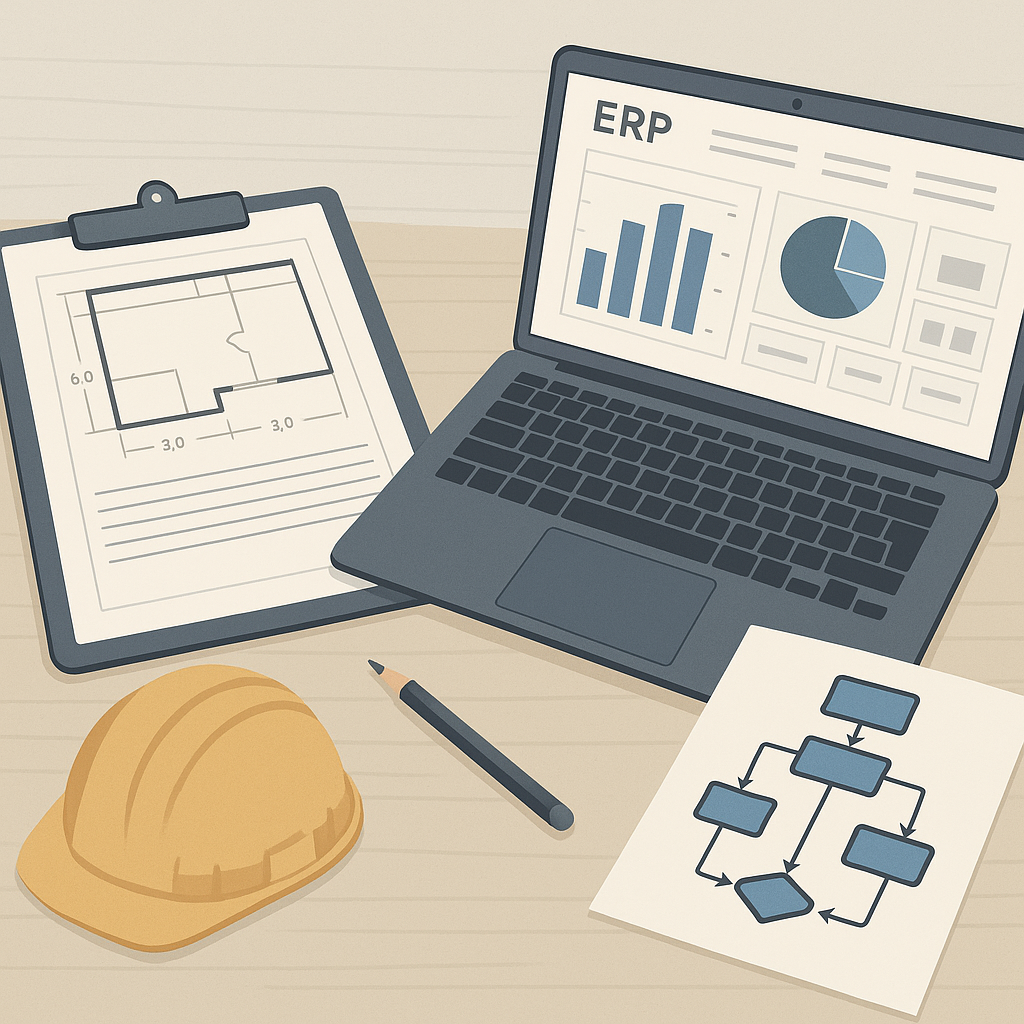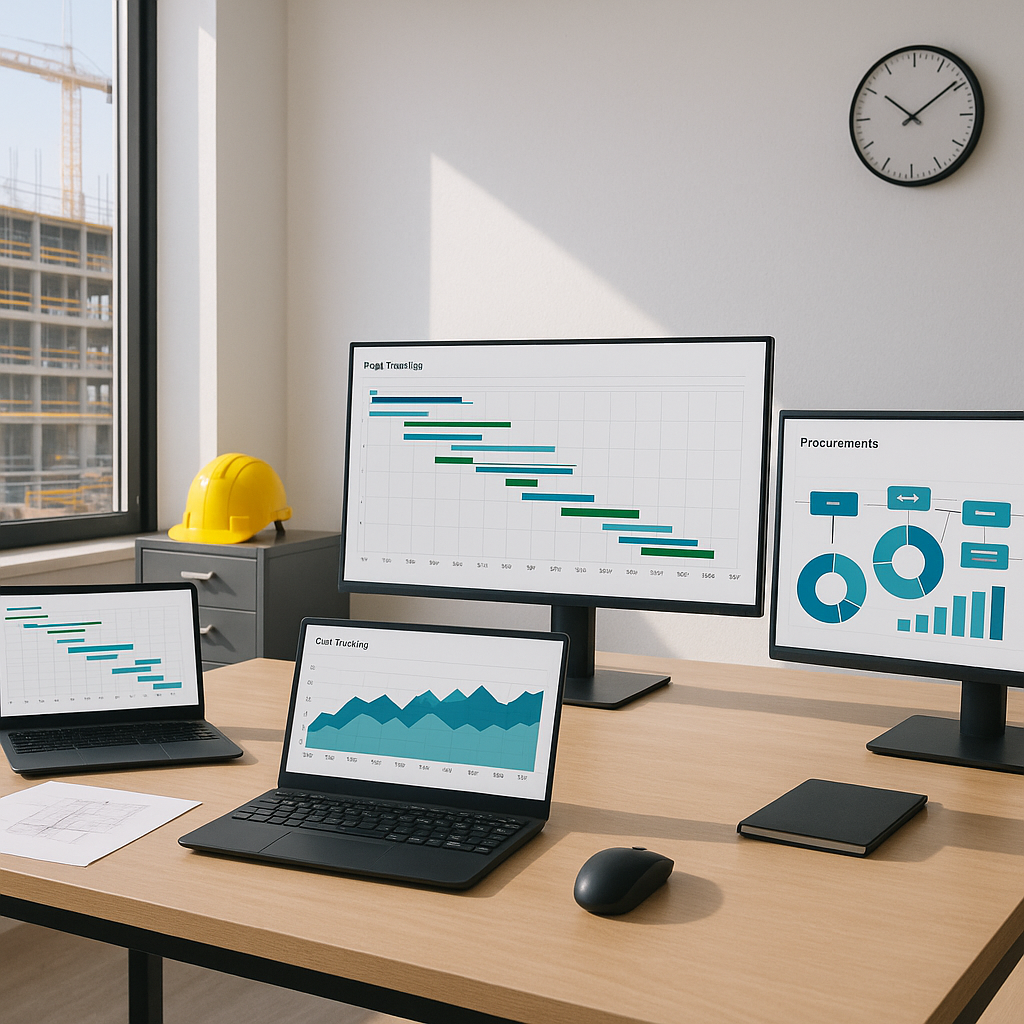
ERP Implementation Is Harder Than You Think
Most contractors know they need an ERP. Few understand how hard it is to implement one. In fact, 83% of ERP users report data migration or process alignment as their biggest challenges (Strategies Group).
Why? Because construction isn’t like retail or manufacturing. You’re managing dozens of projects, each with unique BOQs, subcontractor agreements, and payment terms. One-size-fits-all solutions don’t work. But that doesn’t mean ERP is hopeless. You just need to approach it differently.
Here are 7 best practices we’ve learned from deploying ERP systems across 200+ contractors.
1. Start With Specific Goals
"Improve efficiency" isn’t a goal. Neither is "better cost tracking." You need specifics. For example:
- Reduce procurement cycle time by 30% (MR to PO).
- Track RA billing progress at the BOQ level to avoid missed invoices.
- Monitor project profitability in real time across WBS and scopes.
These goals keep your team focused. They also guide your ERP vendor during configuration. Without them, you’ll end up with a generic system that doesn’t solve real problems.
2. Fix Your Workflows First
An ERP won’t save broken processes. If your procurement team skips RFQs, or if billing delays are the norm, ERP will just automate the chaos. Fix those workflows first.
Take procurement as an example. Many contractors rely on WhatsApp or Excel to track material requests (MRs). This leads to missed RFQs, duplicate POs, and over-budget purchases. A proper workflow looks like this:
MR → RFQ → Vendor Offers → PO → Delivery Tracking.
Once this is standardized, an ERP can automate approvals, compare vendor quotes, and flag budget overruns. JobNext’s structured procurement module is a great example. It’s built for contractors who need strict control over material costs.
3. Don’t Skip Data Migration Planning
Data migration is where most ERP projects go off the rails. Why? Because companies underestimate how messy their data is. We’ve seen contractors with:
- Duplicate vendor records.
- Inconsistent material codes.
- Missing project cost data for ongoing jobs.
Start by auditing your data. Clean it up before migration. And don’t rely on your ERP vendor to do this—they’ll import whatever you give them. Garbage in, garbage out.
4. Choose Practical Configurations (Not Fancy Ones)
Every ERP promises a million features. Don’t fall for it. Focus on the ones your team will actually use.
For instance, JobNext offers six billing methods—RA bills, stage-wise, monthly, supply BOQ, combined, and one-time. Most contractors only need two or three of these. Configure only what’s relevant. Adding unnecessary complexity just confuses your team and slows adoption.
5. Involve Your Operations Team Early
ERP isn’t just an IT project. It’s an operations overhaul. If your project managers and site engineers aren’t involved from day one, expect resistance.
Here’s a practical tip: Assign super users from each department (projects, procurement, HR, finance). These are your internal champions. They’ll test configurations, train their teams, and provide feedback during implementation.
6. Test With Real Data
Don’t wait until go-live to test. Use real project data during the pilot phase. For example:
- Import BOQs from an ongoing project.
- Create test MRs and POs.
- Generate an RA bill based on actual site progress.
This ensures the system works in real-world scenarios. It also helps your team catch configuration issues early.
7. Plan for Post-Go-Live Support
Go-live isn’t the end. It’s the beginning of actual ERP usage. You’ll need ongoing support for:
- Fixing bugs.
- Training new employees.
- Tweaking configurations as your business evolves.
Choose a vendor with a solid support track record. JobNext, for example, offers dedicated post-go-live support teams (JobNext). This isn’t optional—it’s critical.
Final Thoughts
ERP implementation isn’t easy, but it’s worth it. Follow these best practices, and you’ll avoid the common pitfalls that derail most projects. Remember: Clear goals, clean workflows, and real accountability are non-negotiable.
Want to see how other contractors in India and GCC are using ERP to grow profitably? Check out why every contractor needs cloud ERP to stop revenue leakage.
Ready to see JobNext in action?
Multi-tenant SaaS ERP for construction, facilities management, and contracting — covering preconstruction, project execution, procurement, HR & payroll, equipment, finance, and 150+ analytics reports.
Get Started Free →Learn more at JobNext.ai - Construction ERP