



ERP Implementation Best Practices for Defensible Pricing
The Importance of Defensible Pricing in ERP Implementation
ERP implementation is often seen as a process focused on aligning workflows, training employees, and setting clear KPIs. While these aspects are critical, one area that is frequently overlooked is pricing and costing. Without defensible pricing, even the most well-structured ERP systems can falter when rates are inconsistent or cannot be justified to clients and subcontractors. This can lead to disputes, inefficiencies, and lost opportunities.
Why Pricing Matters in ERP Systems
Pricing is often treated as secondary in ERP systems, which tend to focus on scheduling, procurement, and cash flow management. However, accurate and defensible pricing is essential for project success. Manual workarounds, such as using spreadsheets and rate books, are common but prone to errors and inefficiencies. These methods do not scale well and can fail under scrutiny, especially in competitive bidding scenarios.
Best Practices for Integrating Pricing into ERP Implementation
To ensure pricing is a core component of ERP implementation, consider the following practices:
-
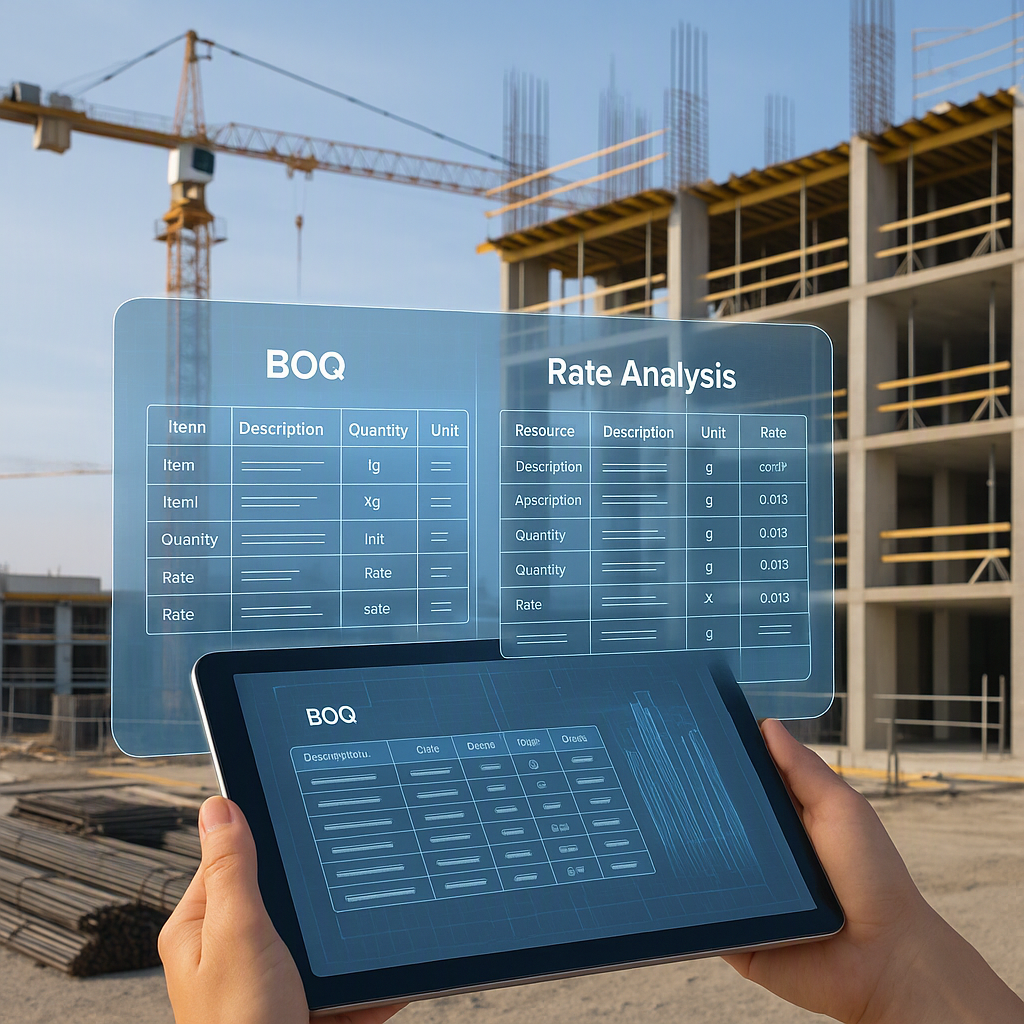
Start with the BOQ. Begin every project with a clean, structured Bill of Quantities (BOQ). Tools that can parse and organize BOQ data from various formats, such as Excel, can save time and reduce errors.
-
Source your rates. Use reliable methods to find accurate, region-specific rates. This can include leveraging databases of standard rates or using tools that simplify the search process.
-
Audit everything. Ensure every rate is tied to its source, whether it’s a standard schedule of rates, vendor quotes, or other reliable data. This traceability builds trust and defensibility in your pricing.
-
Integrate with the ERP. Pricing should feed into other ERP modules like procurement, scheduling, and payroll. While the ERP acts as the central hub, specialized pricing tools can handle the complexities of rate analysis and transparency.
Challenges and Considerations
Integrating pricing into ERP systems comes with challenges. Not all ERP systems are compatible with specialized pricing tools, and integration can require additional effort. Moreover, while defensible pricing can improve bid competitiveness, it is only one aspect of project execution. Success also depends on other factors like scheduling, resource allocation, and stakeholder management.
Conclusion
Defensible pricing is a crucial element of successful ERP implementation. By prioritizing rate transparency and traceability, contractors can improve bid competitiveness and project outcomes. For those looking to enhance their ERP systems, integrating specialized pricing tools can be a valuable step forward.
Learn more at JobNext.ai - Construction ERP
Put this into a real BOQ
Describe your project and get a complete, costed Bill of Quantities in about a minute — free to start.