



FIDIC BOQ Preparation: Practical Steps Contractors Miss
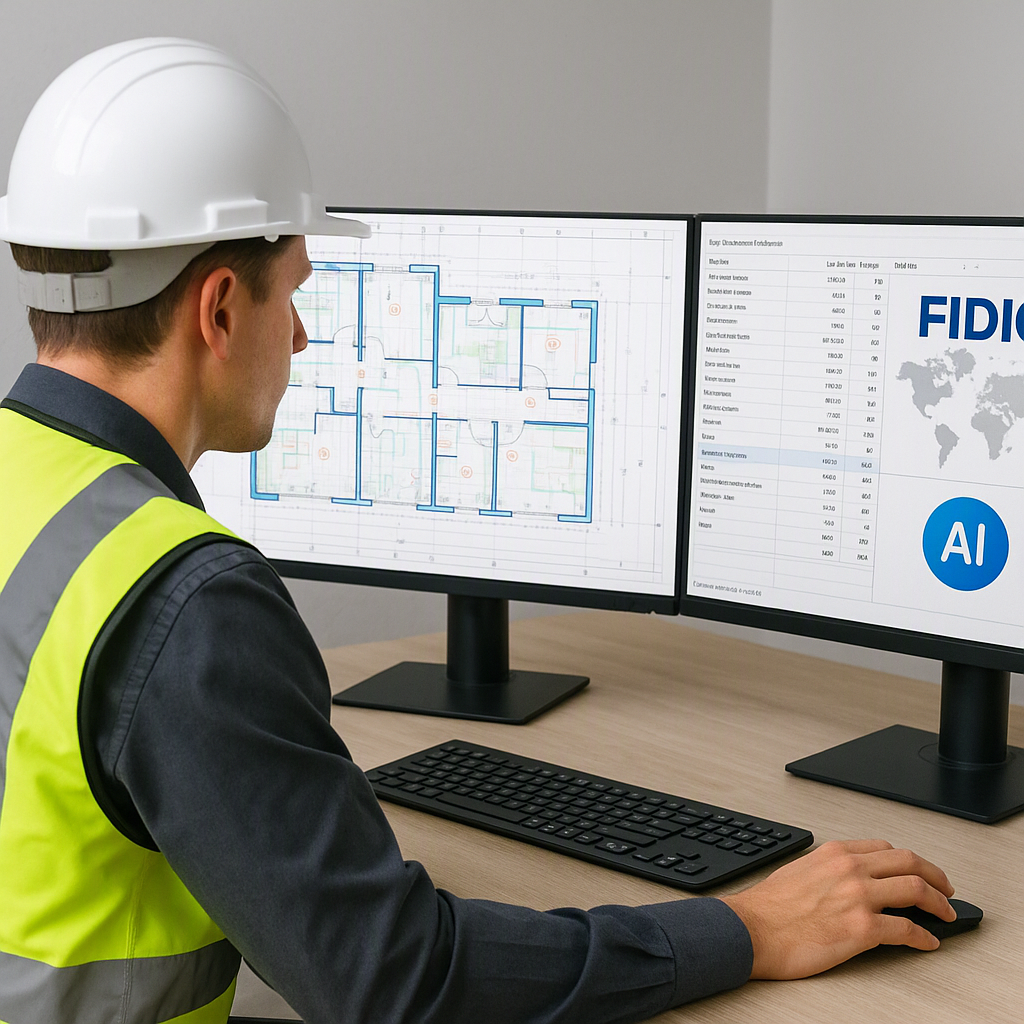
The Problem Nobody Talks About in FIDIC BOQ Preparation
Let’s get real: building a FIDIC-compliant Bill of Quantities (BOQ) is a pain. If you’re relying on outdated methods—manual Excel updates, flipping through printed rate books, or patching together formats—you’re wasting time and risking errors. Worse, those errors can derail entire bids.
We’ve seen it happen. A contractor loses a bid because they missed a standard clause adjustment in the preliminaries section. Another gets disqualified because their BOQ format doesn’t align with FIDIC standards—too many tabs, inconsistent item breakdowns, or missing rate audit trails. Sound familiar?
The brutal truth? FIDIC contracts demand a level of precision and structure that most manual workflows just can’t deliver. Let’s break down how to fix this, step by step.
Step 1: Understand FIDIC’s BOQ Requirements
FIDIC contracts, widely used for international construction projects, have strict BOQ guidelines. They’re not just about listing quantities and prices—they’re about ensuring clarity, consistency, and traceability. For example, according to the CESMM3 standards adopted by FIDIC in 1991, BOQs must be structured to allow clear categorization and measurable breakdowns.
Here’s what a typical FIDIC-compliant BOQ should include:
- Work Categories: Broad headings like Earthworks, Concrete, Masonry. These provide a high-level structure for grouping related tasks, ensuring easy navigation and understanding.
- Subcategories: Break down the work categories into more specific components like drilled piers, cast-in-place slabs, etc. This helps clarify the scope of work.
- Line Items: Each item should be specific and measurable, such as "200mm RCC Slab" or "50mm Plaster." Avoid vague descriptions like "general earthworks," which can lead to disputes or misinterpretations later on.
- Unit Rates: Clearly indicate the cost per unit, broken down into material, labor, equipment, and overhead. In India, the CPWD DSR (Central Public Works Department’s Delhi Schedule of Rates) is a standard catalog used for deriving these rates.
- Audit Trails: Provide documentation that explains how each rate was derived. For instance, reference standard catalogs like RSMeans or CPWD DSR.
- Output Formats: FIDIC prefers standardized outputs such as CESMM3, CSI MasterFormat, or other recognized formats. These formats ensure consistency and compliance across international projects.
Why This Matters
FIDIC’s structure minimizes room for misinterpretation. It’s designed for international projects with diverse stakeholders, making clarity and standardization non-negotiable. Without this foundation, your BOQ risks rejection during the tendering or execution stage.
Step 2: Avoid Common Pitfalls in BOQ Preparation
Even if you understand the structure, many teams fall into common traps that can jeopardize their bids. Let’s address the most frequent issues and how to avoid them.
1. Overcomplicated Formats
- The Issue: Too many nested formulas, irrelevant line items, or unstructured tabs confuse reviewers and increase the risk of errors.
- The Fix: Use a clear hierarchy—main categories, subcategories, and line items. Stick to consistent formatting. A clean BOQ is easier to review and less prone to errors.
2. Rate Mismatches
- The Issue: Relying on outdated rates from PDFs or guesswork for rate calculations can make your bid uncompetitive or inaccurate.
- The Fix: Use live rate catalogs. Tools like EstimateNext integrate with CPWD DSR, RSMeans (used in the U.S.), and other region-specific sources to ensure your rates are current.
3. Version Chaos
- The Issue: Updates to one section don’t propagate across the BOQ, leading to inconsistencies.
- The Fix: Use tools with real-time updates. When you adjust a rate or quantity, the entire BOQ should update automatically.
4. Scope Gaps
- The Issue: Missing items or vague descriptions in the BOQ lead to disputes or additional costs during execution.
- The Fix: Leverage AI-powered tools like EstimateNext Vision AI to ensure no items are skipped during quantity takeoff. These tools can flag omissions based on drawing analysis.
5. Non-Compliant Outputs
- The Issue: Delivering BOQs in formats that don’t match FIDIC requirements can result in outright disqualification.
- The Fix: Ensure your BOQ can be exported directly to formats like CESMM3 or CSI MasterFormat. Eliminate manual rework, which is prone to errors.
Step 3: Speed Up Quantity Takeoff
Quantity takeoff is where many teams lose time and accuracy. Relying on manual processes like tracing wall lengths on printed drawings or PDFs is inefficient and error-prone.
Smarter Tools for Takeoff
Here’s how modern tools can save you hours:
- Vision AI Extraction: Upload your drawings (PDFs, CAD, or IFC files). AI analyzes the documents and automatically detects dimensions, materials, and quantities. For instance, it can calculate wall lengths, floor areas, and even count smaller items like windows and doors.
- Drawing Revisions: When architects issue revised plans, you can upload the updated drawings, and the tool will highlight changes. This ensures your BOQ remains accurate without the need for manual cross-referencing.
A Practical Workflow Example
Let’s say your project includes 200 square meters of vitrified tile flooring. Instead of manually measuring this from a drawing, Vision AI can extract the data in minutes, match it to regional rates (e.g., CPWD DSR), and insert it into your BOQ automatically.
| Item | Quantity | Unit Rate | Total Cost |
|---|---|---|---|
| Vitrified Tile Flooring | 200 sqm | ₹850/sqm | ₹170,000 |
By automating takeoff, you eliminate human error, save time, and ensure consistency.
Step 4: Match Rates Accurately
One of the most common reasons for bid rejection is rate mismatches. If your rates aren’t competitive or don’t reflect the project’s local context, your BOQ won’t hold up.
Steps to Match Rates Accurately
- Semantic Search: Use tools like EstimateNext to search across 78,000+ Standard Schedule of Rates (SOR) items instantly. No more flipping through printed catalogs.
- Inflation Adjustment: Apply compound inflation factors to rates based on the catalog year. For instance, CPWD DSR updates its rates annually, reflecting changes in material and labor costs.
- Regional Customization: Account for regional labor, material, and equipment costs. For instance, CPWD rates may not apply directly to projects in the Middle East, but tools with market profiles can adjust for these differences seamlessly.
Step 5: Standardize Outputs
Clients expect professional, polished deliverables. A poorly presented BOQ can undermine confidence in your bid, even if your rates are competitive.
Key BOQ Deliverables
- Summary Sheets: Provide a high-level cost breakdown by category. This gives clients a quick snapshot of the project budget.
- Detailed Sheets: Include line-by-line details of quantities, rates, and totals. Transparency is key.
- Audit Trails: Show how you derived each rate. This builds trust and facilitates compliance checks.
Modern tools like EstimateNext allow you to generate these outputs with a single click, ensuring compliance with formats like CESMM3, CSI MasterFormat, CPWD DSR, or AIA G703.
Decision Framework: Choosing the Right BOQ Tool
| Feature | Manual Process | Tool-Assisted Process |
|---|---|---|
| Rate Accuracy | Prone to human error | Live catalogs ensure up-to-date rates |
| Time Efficiency | Time-consuming | Automated takeoff saves hours |
| Compliance with FIDIC | Risk of non-compliance | Built-in templates ensure compliance |
| Handling Revisions | Manual re-checks | Automatic updates |
| Error Detection | Labor-intensive, manual audits | Automated error flagging |
What We’re Still Figuring Out
Even with the best tools, FIDIC BOQs aren’t foolproof. They rely on accurate inputs—drawings, specs, and rates. If those are wrong, no amount of automation will save you. Additionally, compliance standards evolve. What’s acceptable today might not pass tomorrow’s audit.
But here’s what we know: the right tools can take you 90% of the way. For the last 10%, you need sharp estimators and solid processes.
Ready to Fix Your FIDIC BOQ Process?
If you’re tired of wasting hours on BOQs that miss the mark, EstimateNext can help. From AI-powered takeoff to seamless exports, it’s built for FIDIC compliance. Get started free →
Learn more at JobNext.ai - Construction ERP
Put this into a real BOQ
Describe your project and get a complete, costed Bill of Quantities in about a minute — free to start.