


How to Create a BOQ from Drawings Using AI Tools in 2026
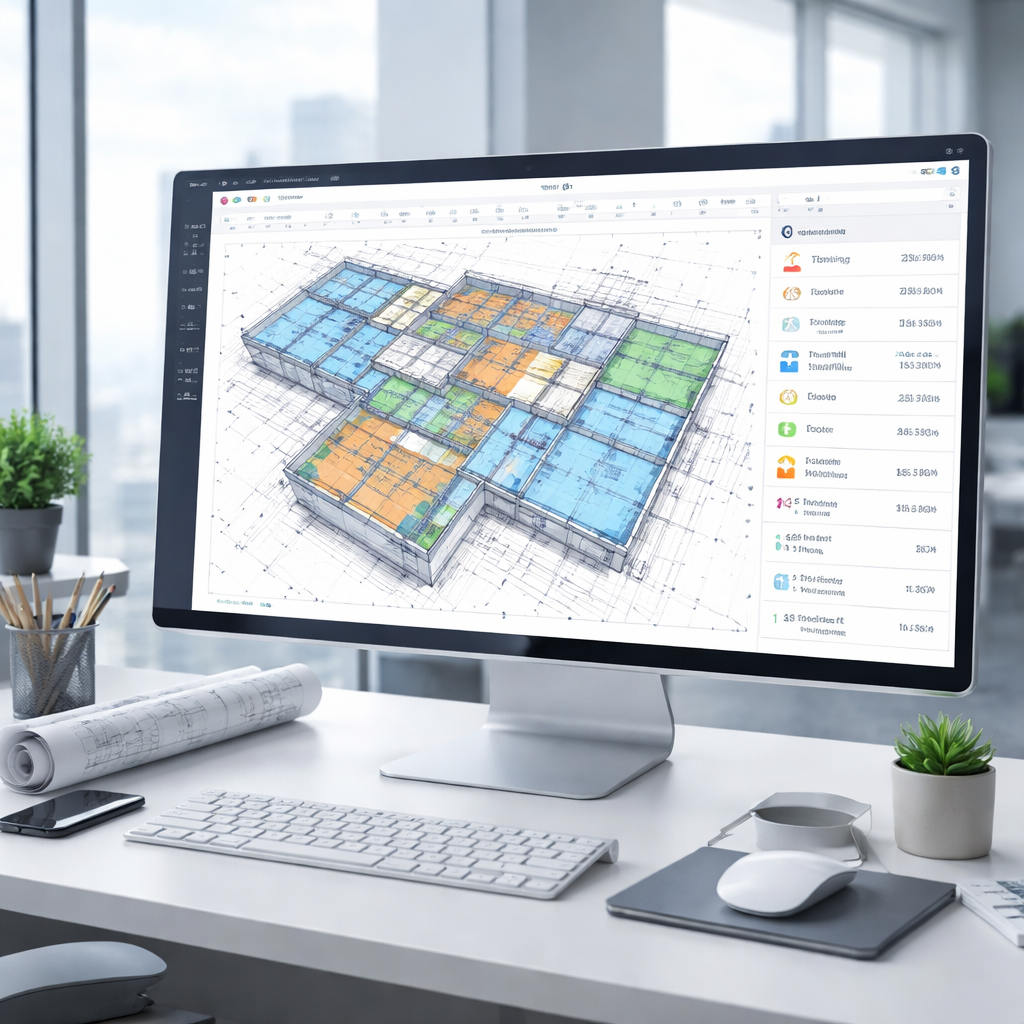
How to Create a BOQ from Drawings Using AI Tools in 2026
Creating a Bill of Quantities (BOQ) manually from drawings has long been a staple in the construction industry. Traditionally, this involved spending significant time analyzing blueprints, calculator in hand, to align measurements with cost codes. While this method was laborious, it was deemed necessary to ensure accuracy.
The Catalyst for Change
The introduction of AI has transformed this process. AI tools can now parse and interpret construction drawings to generate a BOQ more efficiently than manual methods. These tools can manage complex, multi-layered plans and adapt to unique project requirements, offering a significant improvement in both speed and accuracy.
The Evolution of AI in Construction
AI in construction has evolved from simple automation of repetitive tasks to more complex applications. According to a report by McKinsey & Company, AI can reduce construction costs by up to 20% by enhancing productivity and efficiency (McKinsey). This is not just about replacing manual labor but augmenting human capabilities with data-driven insights.
Actionable Insights from AI Implementation
AI's impact on construction isn't just theoretical. Here are practical steps on how AI can be leveraged:
- Data Collection and Analysis: AI tools can collect and process large volumes of data from various sources, providing insights that were previously inaccessible. This data-driven approach helps in making informed decisions.
- Predictive Maintenance: AI can predict when equipment might fail, allowing for proactive maintenance and reducing downtime.
- Risk Management: By analyzing historical data, AI can predict potential risks in a project, allowing teams to mitigate issues before they occur.
- Resource Optimization: AI algorithms can optimize the allocation of resources such as labor, materials, and machinery based on real-time project data.
Why We Stuck with the Old Ways
Manual BOQs persisted because they were familiar and predictable, despite their inefficiencies. Errors were a known risk, and the time required was consistent, allowing for scheduling. There was also a sense of craftsmanship in preparing a manual BOQ.
The Comfort of Traditional Methods
The truth is that many in the industry were comfortable with the old ways. The process was tangible, and many professionals took pride in their meticulous attention to detail. The challenge was not just technological but cultural, as industries are often cautious about adopting new technologies.
Breaking the Cultural Barrier
Transitioning from manual to AI-driven processes involves overcoming cultural barriers:
- Trust Building: Teams need to trust AI tools to deliver accurate results. This can be achieved through training sessions and small-scale pilots.
- Demonstrating ROI: By showing measurable benefits from AI, such as reduced errors and faster completion times, stakeholders can be convinced of its value.
- Championing Change: Identifying leaders within the organization who advocate for AI can help drive adoption. These champions can provide support and guidance to others during the transition.
What We Do Differently Now
Today, AI tools are increasingly used for creating BOQs. By uploading drawings, AI tools can extract quantities and match them with a comprehensive database of rates. This process is not only faster but also reduces the likelihood of missing bid deadlines or scrambling to update BOQs with every drawing revision.
Actionable Steps for Transitioning to AI Tools
- Assess Current Processes: Evaluate your current BOQ creation process to identify bottlenecks and inefficiencies.
- Select the Right AI Tool: Research and choose an AI tool that fits your specific needs, considering factors like ease of use, cost, and integration capabilities.
- Training and Onboarding: Ensure your team is adequately trained. Many AI providers offer comprehensive onboarding sessions.
- Pilot Testing: Start with a small project to test the tool's capabilities and gather feedback.
- Full Implementation: Gradually integrate the AI tool into your workflow, continually assessing its impact on efficiency and accuracy.
Expanding the Implementation Strategy
- Feedback Loops: Establishing feedback mechanisms helps in refining AI models. Regular feedback from users ensures the tool evolves to meet the team's needs.
- Continuous Learning: Encourage teams to stay updated with the latest AI trends and tools through workshops and seminars. This fosters a culture of continuous improvement.
The Cost of Being Wrong
Relying solely on manual processes can lead to missed opportunities. AI tools enable more efficient responses to bids, potentially increasing the number of contracts won. However, questions remain about whether these tools can handle every unique project requirement and replicate the nuanced judgment of experienced estimators.
Understanding BOQ and Its Importance
A BOQ is more than just a list of quantities; it serves as a roadmap for project execution. It aids in budgeting, scheduling, and resource allocation, ensuring all project aspects are accounted for. Errors in a BOQ can lead to cost overruns and project delays.
Traditional Methods of Creating BOQ from Drawings
Traditionally, creating a BOQ involved manual measurements from drawings, a time-consuming and error-prone process. Projects were divided into work sections, measurable items identified, and quantities measured manually, which was standard but inefficient.
Introducing AI Tools for BOQ Creation
AI tools have revolutionized BOQ creation by using Vision AI to extract quantities from drawings. This significantly reduces the time required and can handle complex and unique project requirements, making these tools indispensable in modern construction.
Step-by-Step Guide to Using AI for BOQ Creation
- Upload Drawings: Start by uploading dimensioned PDFs, PNGs, or JPGs. AI tools classify each page, identifying floor plans, sections, elevations, and site plans.
- Extract Quantities: Vision AI extracts room areas, wall lengths, door/window counts, and more, working at a rapid pace.
- Generate BOQ: Combine extracted quantities with project specifications to generate a structured BOQ.
- Match and Price: Use AI to match BOQ lines to a rate database, applying inflation and cost factors.
- Review and Adjust: Easily make adjustments as project requirements evolve.
Handling Drawing Revisions and Updates
AI tools excel at managing drawing changes. By uploading revision sets, they can compare changes, ensuring the BOQ remains accurate throughout the project lifecycle. This adaptability is crucial given the frequent evolution of project plans.
Integrating Multi-Market Data for Comprehensive BOQs
AI tools can integrate data from multiple markets, ensuring BOQs are comprehensive and compliant with local regulations. This is particularly useful for contractors working across different regions.
Collaboration and Sharing Features
Modern AI tools facilitate collaboration among project stakeholders, streamlining communication and ensuring everyone is aligned. This reduces errors and enhances project efficiency.
Comparison Table: Traditional vs AI-Driven BOQ Creation
| Feature | Traditional Method | AI-Driven Method |
|---|---|---|
| Time Consumption | High | Low |
| Accuracy | Variable | High |
| Cost | Can be high | Generally lower |
| Flexibility | Limited | High |
| Scalability | Low | High |
| Handling Revisions | Manual and tedious | Automated and fast |
FAQ
1. How do AI tools manage unique project requirements?
AI tools are customizable to suit specific project needs, handling complex drawings with ease. They use machine learning algorithms to identify patterns and apply custom rule sets tailored to particular project specifications.
2. Are AI tools difficult to transition to?
Not at all. They are designed to be user-friendly, with intuitive interfaces and onboarding support. Plus, most providers offer ongoing customer support and training resources to ensure a smooth transition.
3. Can AI handle drawing revisions effectively?
Yes, AI tools compare changes in revision sets, maintaining BOQ accuracy. They can automatically detect changes in drawings and update quantities and costs accordingly, minimizing the risk of human error.
4. How secure is the data processed by AI tools?
Most AI tools adhere to strict data security protocols. They utilize encryption and other security measures to protect sensitive project information, ensuring compliance with industry standards.
5. What is the cost-benefit analysis of using AI tools?
While the initial investment in AI tools can be significant, the long-term benefits include reduced labor costs, improved accuracy, and faster project turnaround times, which can outweigh the initial costs.
Conclusion
If you're dealing with the inefficiencies of manual BOQ creation, AI tools can provide a significant advantage. By streamlining the process and improving accuracy, these tools can transform how BOQs are created and managed in the construction industry. Embracing AI not only positions firms competitively but also future-proofs them against the evolving demands of the construction landscape.
By understanding the role and benefits of AI tools in BOQ creation, practitioners can make informed decisions that enhance project outcomes and efficiency.
Learn more at JobNext.ai - Construction ERP
Put this into a real BOQ
Describe your project and get a complete, costed Bill of Quantities in about a minute — free to start.