


Navigating ERP Challenges in Construction: Strategies for Success
ERP Implementation Best Practices for Construction
ERP implementations in construction are often challenging. Budgets can expand, timelines may extend, and the anticipated efficiencies might not always be realized. A common reason for these issues is that many companies approach ERP as a software problem rather than addressing the underlying workflow challenges.
The Real Problem: Broken Preconstruction Workflows
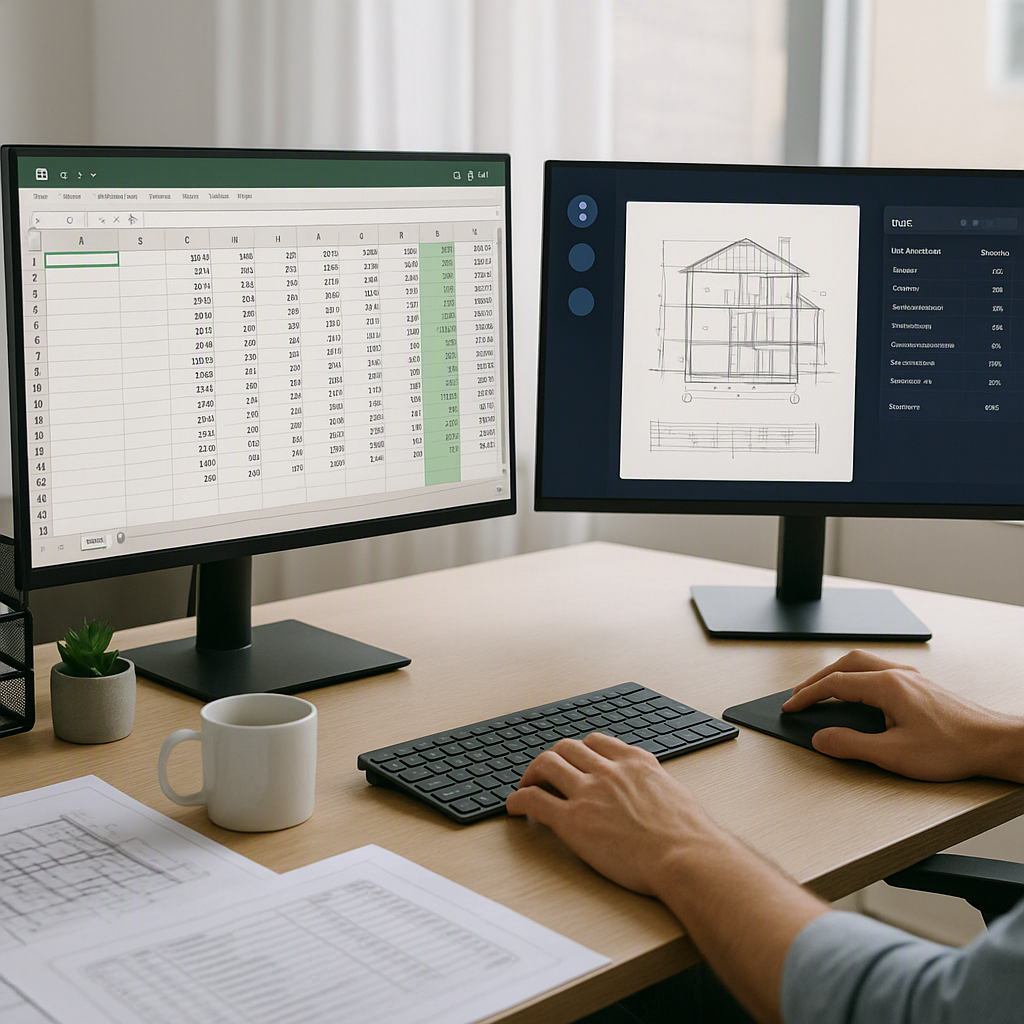
One of the most significant bottlenecks in construction ERP is preconstruction. This phase is often time-intensive, manual, and fragmented. Tasks such as drawing takeoffs, referencing pricing books, and normalizing subcontractor bids can consume a substantial amount of time. By the time the estimate is completed, the bid deadline may be looming, leaving little room for strategic decision-making.
These inefficiencies can lead to hidden costs and missed opportunities. Despite this, many ERP systems fail to address these specific challenges because they are not designed with construction workflows in mind.
The Turning Point: Aligning Tools with Workflows
Instead of forcing processes into a generic ERP system, companies can benefit from implementing specialized tools that align with their actual workflows. For example, tools that automate drawing takeoffs, streamline pricing searches, and provide traceable audit trails can significantly reduce the time spent on manual tasks. This allows teams to meet bid deadlines and focus on strategic decision-making.
The key is to select tools that not only save time but also ensure defensibility. A clear audit trail can help back up numbers during negotiations, making the process more efficient and reliable.
Why the Old Approach Stuck Around for So Long
Many companies continue to rely on manual processes and generic ERP systems not because they are unaware of the inefficiencies, but because the old methods are familiar and "good enough." Tools like Excel, Bluebeam, and RSMeans are flexible and well-known, making them easy to use in a pinch.
However, as projects grow more complex, these patchwork systems often fall short. They can lead to missed deadlines, overworked estimators, and lost bids. Transitioning to specialized tools that address specific pain points can help overcome these limitations.
Best Practices for ERP Implementation in Construction
-
Start with the bottlenecks. Focus on the workflows that consume the most time and resources, such as preconstruction, rather than attempting to digitalize everything at once.
-
Choose tools that fit your processes. Generic ERPs may not handle the nuances of construction estimation. Look for specialized tools that integrate seamlessly with your workflows.
-
Prioritize speed and defensibility. Select tools that save time while also providing a clear audit trail to ensure accuracy and reliability.
-
Test with a single project before scaling. Begin with one project to identify and resolve any issues before rolling out the system company-wide.
Common Mistakes to Avoid
-
Skipping the planning phase. Invest time upfront to map out workflows and define clear goals for the ERP implementation.
-
Ignoring user input. Engage estimators, project managers, and procurement teams early in the process to ensure the system meets their needs.
-
Over-customizing. Excessive customization can complicate future updates. Focus on tools that work effectively out of the box.
-
Underestimating data migration. Transitioning from Excel to ERP requires careful planning for data cleaning, mapping, and validation.
What We’re Still Figuring Out
ERP implementation is an ongoing process. As the construction industry evolves, so do the tools and technologies available. Emerging advancements, such as AI-driven features for live vendor pricing or automated bid/no-bid decisions, hold promise for further improving preconstruction workflows.
By focusing on workflow optimization and selecting the right tools, construction companies can overcome common ERP implementation challenges and achieve greater efficiency and accuracy in their operations.
Learn more at JobNext.ai - Construction ERP
Put this into a real BOQ
Describe your project and get a complete, costed Bill of Quantities in about a minute — free to start.